Import And Export Iranian Pistachios
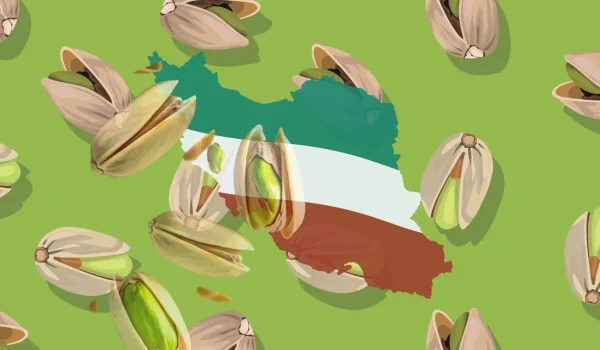
Importing pistachios from Iran is one of the most prominent trends in the global nuts market. Iran is renowned for producing high-quality pistachios, characterized by their rich flavor and high nutritional value. With the growing demand for pistachios in global markets, importing pistachios from Iran presents an ideal and profitable opportunity to meet consumer needs, especially in Arab and European countries.
In this article, we will explore the benefits and reasons for importing Iranian pistachios, some available statistics, the competition within the pistachio market, and the importance of quality in this industry. Additionally, we will discuss how to source the best products directly from the source.
What is the volume of Iranian pistachio exports and what are the main producing regions in Iran?
Pistachio cultivation is primarily concentrated in the provinces of Kerman, Yazd, and Khorasan, with smaller-scale production in cities like Damghan and Qazvin. However, the quantities produced in these cities do not fully meet the export demand, despite the high quality and unique flavor of their pistachios. The dry and suitable climatic conditions provide the best environment for pistachio growth.
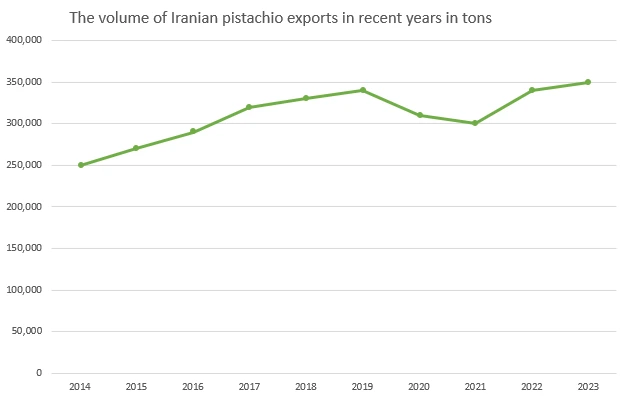
The volume of Iranian pistachio exports in recent years, based on customs data and approximate figures, is as follows:
2021: Approximately 300,000 tons of Iranian pistachios were exported, making it one of Iran’s most prominent sources of revenue from non-oil exports.
2022: Pistachio exports increased to around 340,000 tons, driven by sustained high international demand for Iranian products.
2023: Exports continued to grow, reaching approximately 350,000 tons, generating significant revenue for the country through this sector.
Iran is one of the largest global exporters of pistachios. Pistachio exports play a significant role in the Iranian economy, as the government has implemented a law requiring the repatriation of export revenues to the state. While data may vary slightly depending on different sources, these figures provide a general idea of the trends in recent years.
Importing pistachios from Iran offers several advantages, the most notable of which are:
High Quality:
Iranian pistachios are globally renowned for their superior quality and are considered among the best types of pistachios in terms of flavor and size. Particularly popular varieties include Akbari and Ahmad Aghaei.
Variety of Types:
Iran offers a wide range of pistachio varieties, allowing importers to choose from different sizes and flavors that cater to the needs of their local markets.
Competitive Pricing:
Compared to some other countries, Iranian pistachios are more competitive in terms of price due to relatively lower production costs.
Ability to Meet Global Demand:
Iran is the second-largest exporter of pistachios in the world after the United States, with a high capacity to meet large orders from various countries.
Agricultural Heritage and Traditions:
Iranian pistachios have a long historical reputation, as pistachio cultivation has been practiced in Iran for thousands of years. This has allowed Iranian farmers to gain extensive expertise in this field.
International Trade Relations:
Iran seeks to strengthen its trade relations with many countries through the export of its agricultural products, including pistachios, facilitating the import process and increasing opportunities for collaboration.
However, importers may face challenges related to economic restrictions and sanctions, which require effective management of logistics and financial transactions. This is where SouqYar Group excels in import and export operations.
Importing pistachios from Iran requires following several steps and procedures to ensure compliance with the trade and customs laws of both the exporting and importing countries. Here is the process for importing pistachios from Iran:
- Obtaining Import Licenses
The importer must obtain a valid import license from their country to ensure they are authorized for international trade, especially for agricultural products.
Some countries may require additional licenses for agricultural or food products. - Contracting with Iranian Suppliers
The importer must communicate with pistachio exporters in Iran and ensure that the suppliers are licensed and approved by the Iranian government.
Clear and comprehensive contracts should be signed, covering all terms such as quantities, prices, delivery schedules, and customs conditions. - Iranian Customs Procedures
Iranian pistachios are subject to customs clearance procedures within Iran before export. All necessary documents must be provided, such as certificates of origin and quality certificates.
It is essential to ensure that the product meets the international standards required by importing markets, such as health and environmental standards. - Transport and Shipping
Choose the appropriate shipping method (air or sea) and agree on shipping arrangements, including insurance and international trade terms (Incoterms), such as FOB or CIF.
Work with a reliable shipping company to transport the goods, ensuring that the products arrive in good condition and within the agreed timeline. - Customs Clearance in the Importing Country
Once the shipment arrives in the importing country, local customs clearance must be completed, which requires submitting necessary documents such as commercial invoices, quality certificates, and certificates of origin.
A health inspection or laboratory analysis may be required to ensure the product complies with local health standards. - Pricing and Taxes
It is important to understand the taxes and customs duties imposed on the import of pistachios in your country to ensure that costs are accurately calculated. - Marketing and Distribution
Once the pistachios are imported, the importer can begin distributing the product according to the business plans in the local market. Effective marketing strategies should be implemented to promote the product and ensure successful sales.
Challenges You May Face:
Economic Sanctions:
Some countries face restrictions in dealing with Iran due to sanctions, which may require special arrangements for financing and banking transactions.
Logistics and Delays:
Due to sanctions or economic conditions in Iran, there could be shipping delays or logistical issues that may impact the timely delivery of goods.
Documents Typically Required:
- Import License
- Commercial Invoices
- Certificates of Origin
- Health or Phytosanitary Certificate
- Bill of Lading